
Technology
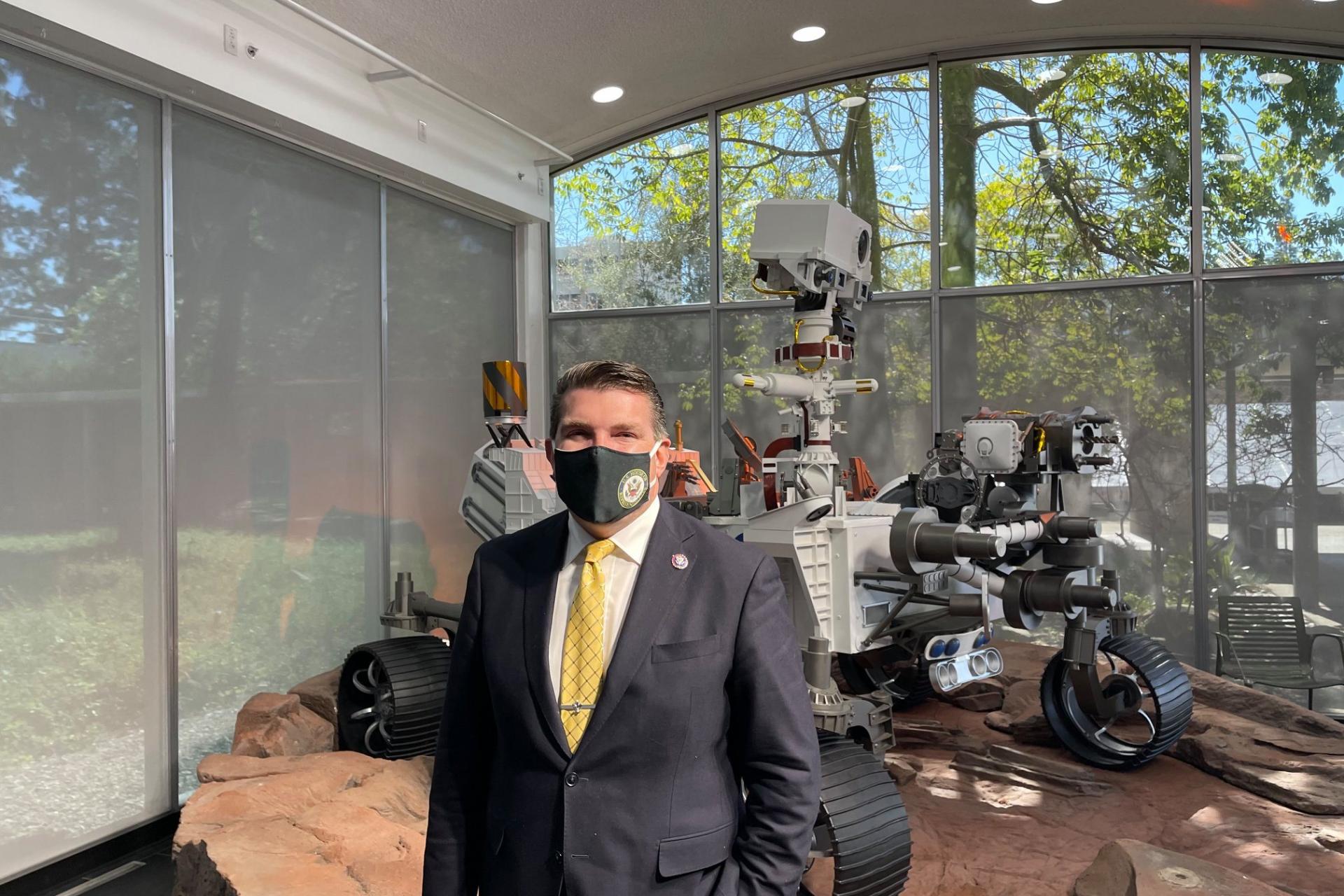
As a computer engineer and video game developer with a graduate degree in artificial intelligence, I understand the importance of cultivating innovation in technology. We must strike a balance which protects consumers and their privacy without stifling innovation. Over the next decade, the federal government will be addressing important technological issues such as digital privacy, net neutrality, big-tech censorship, and cybersecurity. These policies have the potential to reshape the world we live in and will determine the course of our nation for the next century. It is critical that we strike a balance on these issues by promoting American leadership and implementing protections for users and their digital privacy without overregulating the technology industry.
More on Technology


The vice chair of Congress’ artificial intelligence caucus says privacy regulations need to be a top short-term priority for Congress as Washington looks to get to grips with the rapidly emerging technology – which he says poses risks, but could be a catalyst for the next expansion of the U.S. economy.

Artificial intelligence is here to stay. This technology is both exciting and disruptive, offering advancements that could empower people, expand worker productivity, and grow the US economy. We need to ensure America leads in developing standards and deploying this emerging technology. A critical first step toward achieving AI leadership is passing a national data privacy standard.

WASHINGTON – Today, U.S. Congressman Jay Obernolte (R-CA) introduced bipartisan companion legislation to improve coordination between the Department of Energy (DOE) and the National Science Foundation (NSF) on activities carried out under the National Quantum Initiative Program alongside co-lead Rep. Kevin Mullin (D-CA).
A day after the government launched its historic lawsuit against Amazon — and the same afternoon that Meta launched an army of new chatbots — experts and leaders at POLITICO’s 2023 AI & Tech Summit offered a sweeping inside look at why AI regulation is starting to feel urgent, but also remains painfully difficult to get done in Washington.
...
Today, U.S. Rep. Anna G. Eshoo (CA-16), Rep. Michael McCaul (TX-10), Rep. Don Beyer (VA-08), and Rep. Jay Obernolte (CA-23), Co-Chairs and Vice-Chairs of the Congressional Artificial Intelligence Caucus, introduced the Creating Resources for Every American To Experiment with Artificial Intelligence Act of 2023 (CREATE AI Act).

Our world is standing on the precipice of our next technological revolution backed by the power of quantum computing. Artificial intelligence, cybersecurity, and other critical technologies are experiencing breakthroughs powered by advancing computing power that isn’t only faster than before, but also changes the way computers think. This technology has the power to change the world, and it is crucial that America leads the way.
U.S. Congressman Jay Obernolte (R-Hesperia), one of the few computer scientists currently serving in Congress, is pushing forward with legislation to launch a cybersecurity literacy campaign to benefit the American public. The bill, H.R.1360, the American Cybersecurity Literacy Act, passed out of the U.S.

Last November, when the artificial intelligence platform ChatGPT launched, an old science fiction question suddenly became very real: How long until the machines are smarter than the humans?

Here’s an easy prediction about how artificial intelligence will impact Southern California over the next 25 years: It won’t look anything like Skynet.