
Jobs & Economy
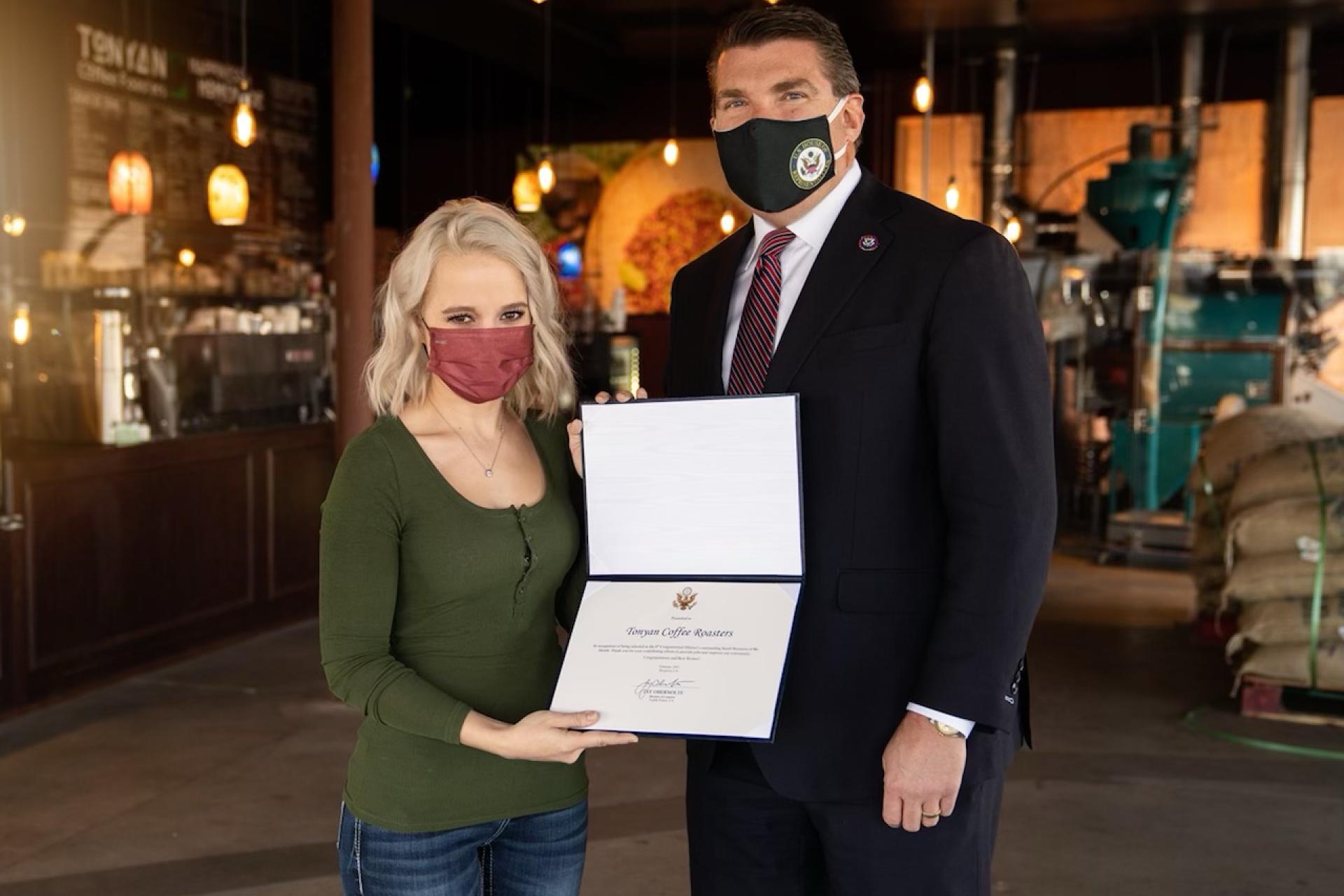
As an entrepreneur and small business owner for more than thirty years, I am committed to growing our economy and bringing jobs to California’s 23rd District. In Congress, I am working to eliminate wasteful spending, cut the red tape holding back small businesses, and lower taxes to encourage job growth. Now more than ever, we must find bipartisan solutions to rebuild our economy, address the root causes of income inequality, and help get employees back to work.
More on Jobs & Economy

WASHINGTON, D.C. — Congressman Jay Obernolte (CA-23) and Congresswoman Sara Jacobs (CA-51) today introduced the Economy of the Future Commission Act of 2026, bipartisan legislation to help the United States prepare for the economic impacts of artificial intelligence (AI). The bill is the House companion to legislation introduced in the Senate by Sens. Mark Warner and Mike Rounds.
Explaining the Tax Cuts for Working Americans, Small Businesses, and the Broader Economy
H.R. 1 delivers critical tax relief for Americans—permanently lowering tax burdens, simplifying the code, and incentivizing work, savings, and investment. Below is a breakdown of all major tax reforms included in the law, organized into three key areas.
I. Tax Relief for Working Americans

WASHINGTON – This week, Congressman David Valadao (CA-22) led the entire California Republican delegation in urging Governor Gavin Newsom to suspend the state’s upcoming gas tax increase on July 1, 2025.
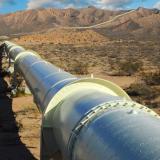
WASHINGTON, DC–U.S. Representative Jay Obernolte (CA-23) has introduced legislation to reduce the United States’ reliance on China and other foreign nations for critical minerals. Critical minerals and rare earth metals are used to manufacture consumer electronics, military equipment, electric vehicle batteries, and other advanced technologies vital to America’s homeland security and economic competitiveness. China is currently the largest source for more than half of the critical minerals on the U.S. Geological Survey’s 2022 list.

Today, Congressmen John Moolenaar, Jay Obernolte (R-CA), and Craig Goldman (R-TX) introduced the LOCOMOTIVES Act to limit the State of California's ability to place unsustainable regulations on trains crossing into the state. The legislation revises Section 209 of the Clean Air Act to close a loophole which allows the California Air Resources Board to request waivers from the Environmental Protection Agency which would require interstate trains to abide by environmental standards stricter than the federal government's.
WASHINGTON – U.S. Congressman Jay Obernolte’s (CA-23) amendment #75 passed the U.S. House of Representatives by voice vote and was included in the Fiscal Year 2025 Appropriations bill for the Departments of the Interior and the Environment. Rep. Obernolte’s amendment would prevent the Environmental Protection Agency from issuing a waiver to the California Air Resources Board (CARB) for its In-Use Locomotive Regulation.
Rep. Jay Obernolte introduced legislation in March to reduce the United States’ reliance on China and other foreign nations for critical minerals.
Critical minerals and rare earth metals are used to manufacture consumer electronics, military equipment, electric vehicle batteries, and other advanced technologies vital to America’s homeland security and economic competitiveness.
The California Air Resources Board (CARB) adopted the In-Use Locomotive Regulation, which would require the implementation of zero-emission locomotives by prohibiting the operation of any locomotive that is 23 years or older from operating in California. Starting in 2030 for all switch, industrial, and passenger locomotives and 2035 for line-haul locomotives, older locomotives can only operate in the state if they are zero-emissions locomotives.
U.S. Congressman Jay Obernolte (R-Hesperia) has reintroduced his Finding Federal Savings Committee Resolution to help bring fiscal responsibility back to the federal government. The bill is modeled after the post-World War II era Anti-Appropriations Committee and would establish a bipartisan committee within the U.S. House of Representatives to find and recommend the modification or elimination of underperforming and nonessential federal programs.

On Thursday, U.S. Congressman Jay Obernolte (R-Hesperia) reintroduced his constitutional amendment to balance the federal budget and return fiscal responsibility to the federal government. H.J. Res. 15, known as the Obernolte Balanced Budget Amendment, would amend the U.S. Constitution to ensure total federal spending for any fiscal year, as appropriated by Congress, does not exceed the amount of federal revenue.